
At Bixon Law, we understand the damaging mental image that a “cruelty to children” charge may incite. Such allegations can have profound personal and professional repercussions, affecting every aspect of your life. Our dedicated team is committed to providing you with the compassionate and vigorous defense you deserve, ensuring your rights are protected every step of the way.
When you hear “cruelty to children” in the same sentence, you may have immediate mental images of horror movie-style physical abuse. When you look at the words individually, it may sound more like saying harsh things to a child. Georgia’s legal definition of “cruelty to children” can include both of these and everything in between. In fact, “cruelty to children” is arguably most commonly found in situations where a child was never touched or spoken to, but is considered a preventable witness to a crime- situations known as “Cruelty to Children in the Third Degree”.
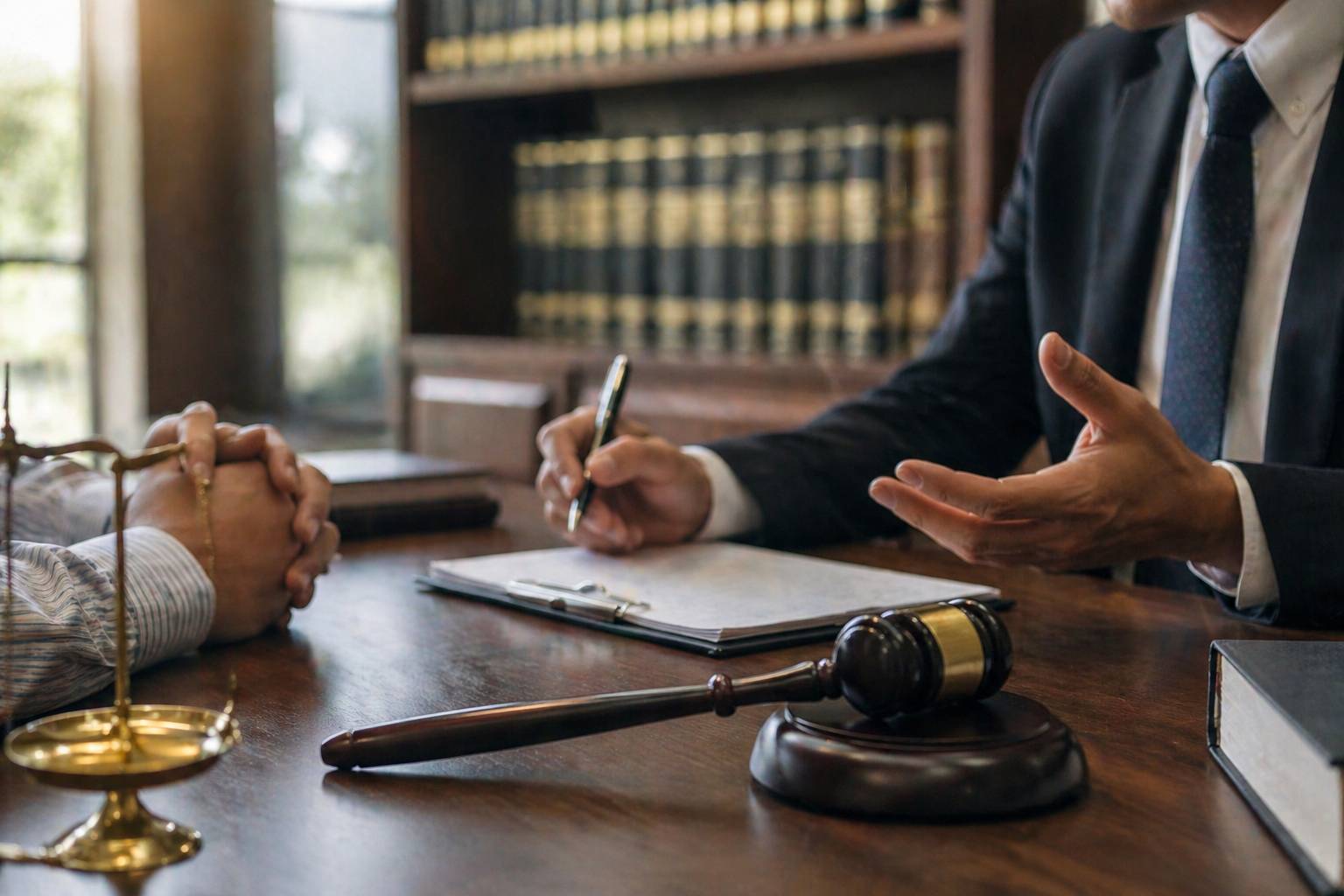
There are three tiers of Cruelty to Children charges in Georgia: Cruelty in the First (Felony), Cruelty in the Second (Felony), and Cruelty in the Third (Misdemeanor). It is important to understand that each of these classifications has its unique criteria, but can still be charged concurrently. The main differentiators are whether the child was the victim of a crime or just witness to it, and in cases where the child was the victim whether the harm done was intentional or a result of negligence.
Understanding these distinctions is crucial for anyone facing such charges, as the consequences vary significantly between the tiers. First-degree cruelty involves maliciously causing a child cruel or excessive physical or mental pain, while second-degree entails causing such harm through criminal negligence. Third-degree, often charged when a child witnesses a forcible felony, battery, or family violence, carries less severe penalties but still has serious implications. Navigating these complex legal waters requires experienced legal counsel to ensure a fair and just outcome.
Two separate statutes cover Cruelty in the First. A child’s caretaker violates O.C.G.A. § 16-5-70(a) when they “willfully deprive the child of necessary sustenance to the extent that the child’s health or well-being is jeopardized”. The main example of this would be starving a child as punishment. A child’s caretaker violates O.C.G.A. § 16-5-70(b) when they “maliciously cause a child cruel or excessive physical or mental pain”. This can include something physical like burning a child with a curling iron, or repeated verbal abuse. But because mental pain is a term that is fairly broad and subjective, it can also expand into something such as unsanitary living conditions- it is the arresting officer’s discretion as to whether a situation can cause mental pain and is further at their discretion as to whether this mental pain is cruel or excessive.
A child’s caretaker violates O.C.G.A. § 16-5-70(b) when they “with criminal negligence cause a child under the age of 18 cruel or excessive physical or mental pain”. This is essentially a mirrored statute to the statute above, with the only difference being that the pain is caused by negligence. This could include leaving a child unattended, during which time they burn themselves with a curling iron.
There are two versions of Cruelty in the Third, O.C.G.A. § 16-5-70(d)(1) and O.C.G.A. § 16-5-70(d)(2). Each is centered around a child’s exposure to “the commission of a forcible felony, battery, or family violence battery” by the primary aggressor of the crime in question. The difference is that one is based on the child witnessing such acts, whereas the other is based on them being present for them. O.C.G.A. § 16-5-70(d)(1) reads “the primary aggressor intentionally allows a child to witness” the crime, while O.C.G.A. § 16-5-70(d)(2) reads “the primary aggressor, having knowledge that the child is present and sees or hears the act commits” the crime.
Let’s look at some hypothetical situations to understand the differences. If a parent recorded a violent altercation with their spouse and made the child watch it at a later time, they would be guilty of O.C.G.A. § 16-5-70(d)(1) but not O.C.G.A. § 16-5-70(d)(2). If a parent had a violent altercation with their spouse while the child was in their bedroom and could hear, they would be guilty of O.C.G.A. § 16-5-70(d)(2) but not O.C.G.A. § 16-5-70(d)(1). If the parent had a violent altercation with their spouse at the dinner table while the child was present and witnessing, they would be guilty of both O.C.G.A. § 16-5-70(d)(1) and O.C.G.A. § 16-5-70(d)(2).
While Bixon Law has spent over a decade dissecting these statutes and is intimately familiar with their wordings, many law enforcement officers are not and may charge the incorrect code section. For example, if the alleged crime is negligence-based but they charge you with the malice-based version, Bixon Law can potentially have the charge dismissed. Similarly, if the alleged crime is malice-based but they charge you with the negligence-based version, Bixon Law can potentially have the charge dismissed. The case law below is a prime example of this, and one of many that Bixon Law has prepared to bring into court to defend you.
Cruelty in the Third, the most common charge, can only be presented against the primary aggressor. If we can prove that you did not start or cause the altercation that led to the charge, Bixon Law can potentially have the charge dismissed. Our legal team conducts a thorough investigation to gather evidence and witness statements that demonstrate your non-aggressive role in the incident. We work diligently to uncover any inconsistencies in the prosecution’s narrative and highlight any mitigating factors that support your defense. By presenting a clear and compelling case that you were not the initiator of the conflict, we aim to protect your reputation and ensure a fair outcome in court.
Cruelty to Children is based heavily on subjective criteria. There is no black-and-white standard for jeopardized health or well-being (Cruelty in the First), cruel or excessive pain (Cruelty in the First and Second), or even what constitutes negligence (Cruelty in the Second). One example that has taken a national spotlight is the act of spanking: to one officer this may be cruel and unusual, and to another jury member this may be standard child-rearing methodology. Bixon Law can help you present your side of the story when we defend you.

Cruelty in the Third is based on a child’s exposure to a crime and hinges entirely on whether or not the defendant was aware of this exposure and chose not to prevent it. For example, if you get into an altercation with your spouse after getting home from work but were unaware that your child was already home from school and in their bedroom, Bixon Law can argue that your Cruelty to Children charge is not justified and must be dropped. Our defense strategy will focus on demonstrating your lack of knowledge about the child’s presence during the incident. We will gather evidence, such as witness testimony and timelines, to establish that you could not have reasonably known the child was exposed to the situation.
In many cases, charges of cruelty to children can be based on circumstantial evidence or uncorroborated testimony. If there is insufficient evidence to support the claim that you committed the alleged acts, Bixon Law will rigorously challenge the prosecution’s case. By exposing inconsistencies in witness statements, highlighting the lack of physical evidence, or demonstrating that the evidence presented does not meet the legal threshold for conviction, we can work to have the charges reduced or dismissed. Our thorough investigation and strategic defense approach ensure that every angle is explored to protect your rights and freedom.
If you have been charged with a cruelty to children charge in Georgia, give Bixon Law a call today to speak to one of our experienced criminal defense lawyers. We will vigorously defend your legal rights and advocate on your behalf to have your case dismissed or the charges against you reduced. As experienced trial attorneys, we are also not afraid to take your case to trial if necessary. We represent clients in Atlanta and throughout the state of Georgia. We are lawyers who are committed to helping people in difficult situations and we invite you to call us at (404) 551-5684 for a free consultation today.
Contact us now for a free consultation
In Georgia, cruelty to children can include a wide range of actions, from intentional physical abuse and verbal abuse to criminal negligence or exposing a child to violent crimes or domestic disputes. Under Georgia law, a person may face charges if they maliciously or negligently cause a child physical or mental pain, deprive them of necessary care, or allow them to witness certain criminal acts.
Penalties depend on the degree of the charge. Cruelty to Children in the First Degree and Second Degree are felony offenses and can carry significant prison time, fines, and a permanent criminal record. Cruelty to Children in the Third Degree is generally a misdemeanor but can still result in jail time, fines, and serious consequences for employment, custody, and reputation.
Yes, a cruelty to children charge may be dismissed or reduced depending on the facts of the case. Common defenses include being charged under the wrong statute, lack of evidence, proving you were not the primary aggressor, challenging the officer’s interpretation of the situation, or showing you were unaware the child was present or exposed to the alleged incident.
Yes, because cruelty to children charges in Georgia can carry severe criminal and personal consequences, it is important to speak with an experienced criminal defense lawyer as soon as possible. An attorney can review the evidence, identify legal defenses, negotiate with prosecutors, and represent you in court to fight for a dismissal, reduced charges, or acquittal.

If you’ve been charged with cocaine possession, distribution, or trafficking in Atlanta or anywhere in Georgia, every moment counts. The decisions you make now will affect the rest of your life. Don’t risk your freedom, your career, and your future by facing these charges alone or with inexperienced representation.
At Bixon Law, we provide aggressive, strategic defense for clients facing cocaine charges in state and federal court. We’re available 24/7 to discuss your case, answer your questions, and begin building your defense immediately.
Call us today for a free, confidential consultation.
When you call, you’ll speak directly with Michael Bixon, not a paralegal or intake specialist. He’ll listen to your situation, explain your options, and outline a strategic plan for your defense.
Don’t wait. The sooner we begin investigating your case, the better your chances of a favorable outcome. Contact Bixon Law now. We’re here to fight for you.